
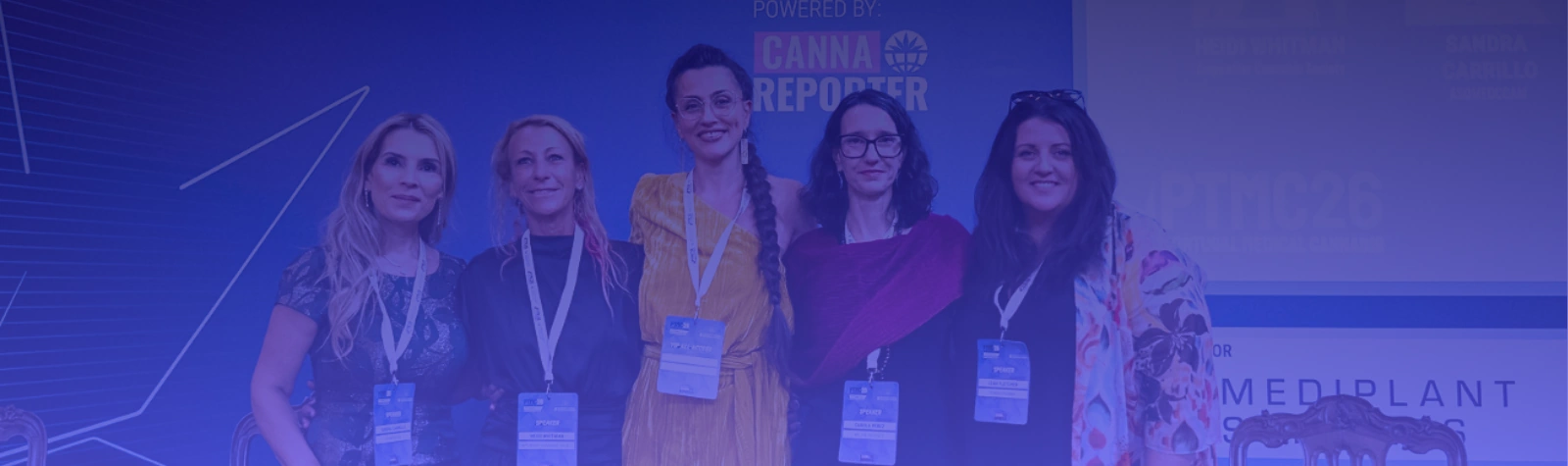
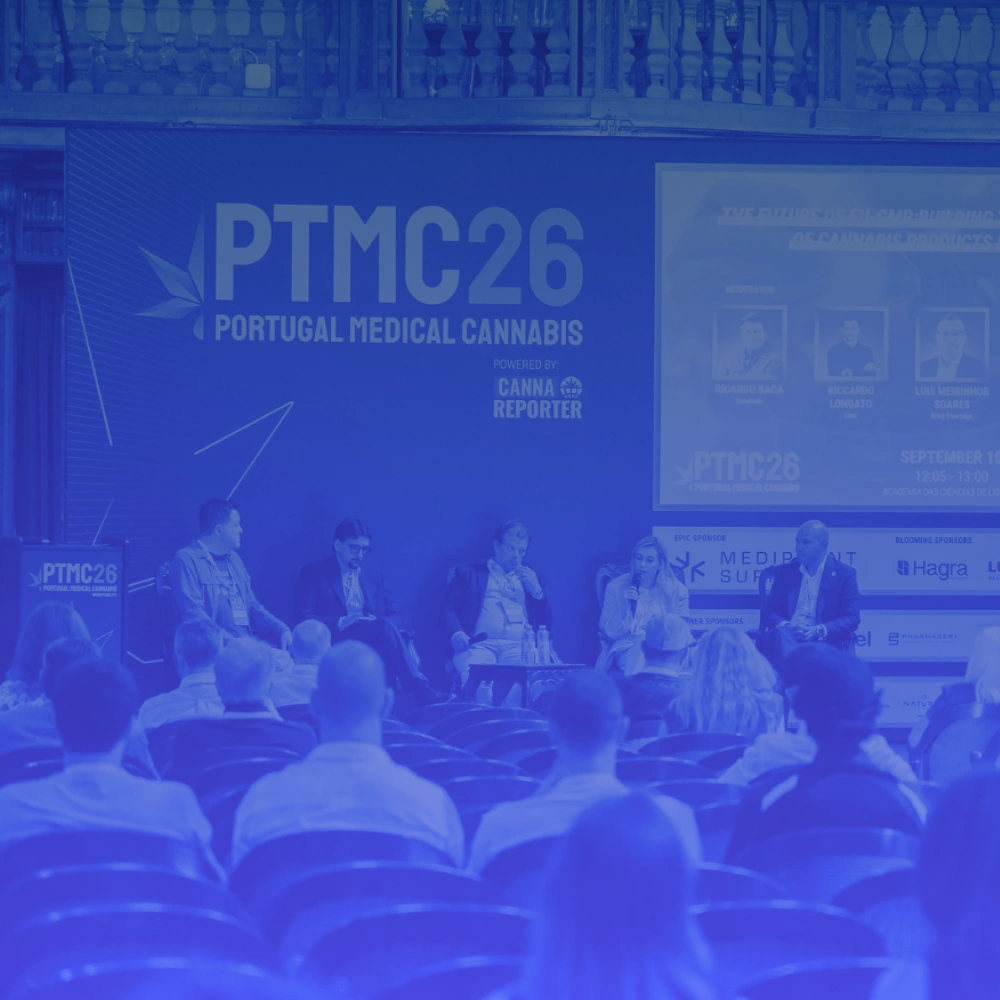
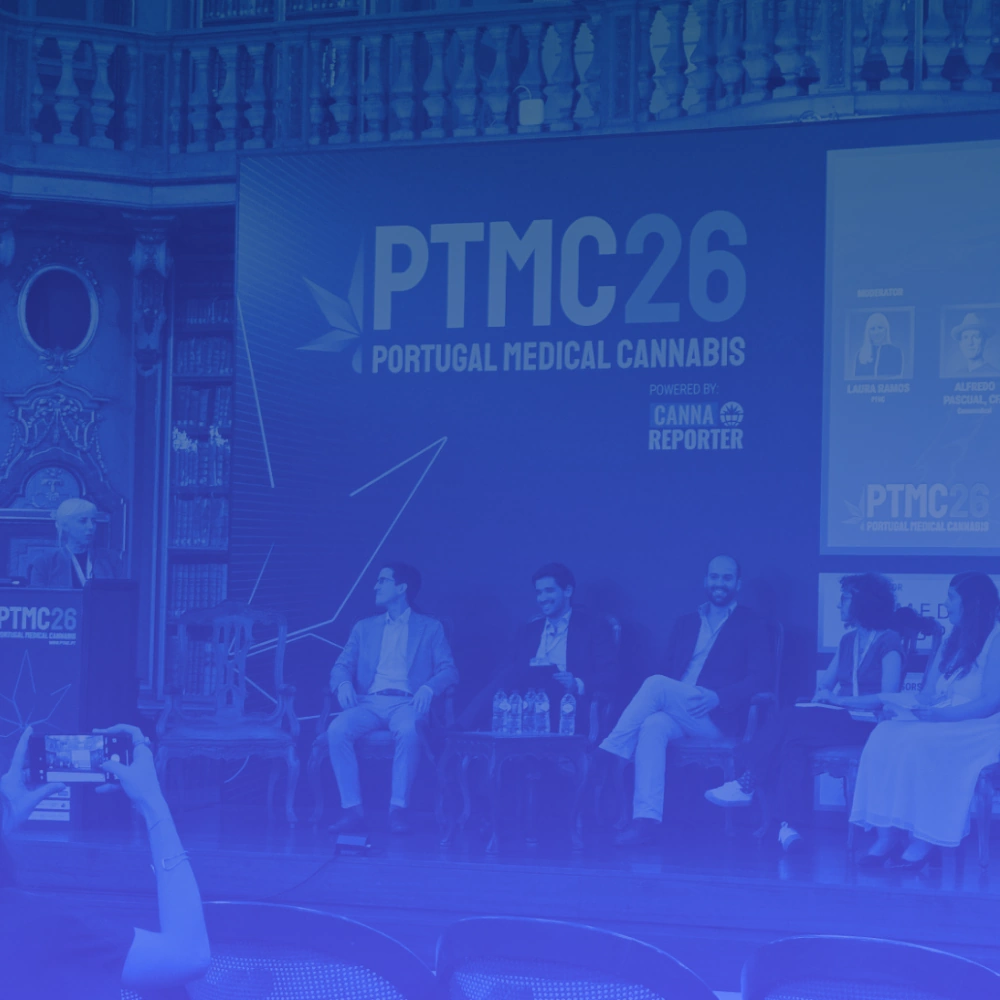
Inhalte aus einer Podiumsdiskussion bei PTMC – Portugal Medical Cannabis vom 10. September 2026. Panelteilnehmer: Sandra Carrillo (ASOMEDCCAM), Shabnam Sarshar (The Recalibration), Carola Pérez (Wir, die Patienten) und Leah Fletcher (Dunbar Pharma). Moderiert von Heidi Whitman (EmpowHer Cannabis Society). Fotogalerie der Veranstaltung: Renato Velasco
Vierzehn Tage Nobody Records
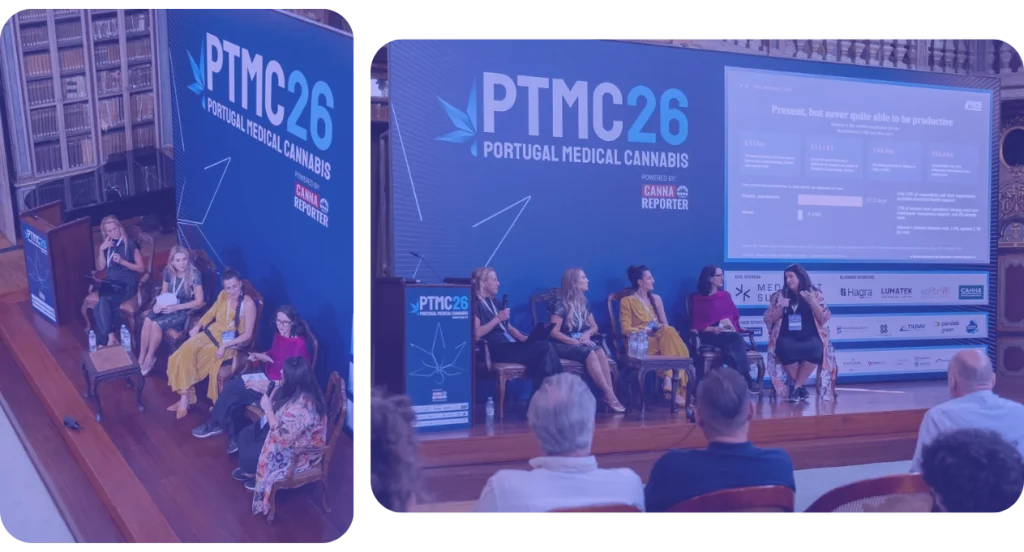
In einem Panel mit dem Titel “Wirtschaftsanalysen zur Gesundheit und Wellness von Frauen im Bereich medizinischem Cannabis” auf der PTMC (Portugal Medical Cannabis) 2026, Moderatorin Heidi Whitman eröffnete mit einer Zahl über die Arbeitswelt. Für jeden Tag, an dem eine Frau formell krankgeschrieben ist, deutet ihre Forschung schätzungsweise 14 weitere Stunden werden im Büro verbracht, sind aber nicht produktiv..
Heidi, Vorsitzende und Mitbegründerin von EmpowHer Cannabis Society, Die „Women in Cannabis“, ein professionelles Netzwerk für Frauen im Cannabisbereich, das mittlerweile in 43 Ländern und mit mehr als 1.000 Mitgliedern aktiv ist, bat darum, dass dies so behandelt wird. Presenteeismus als wirtschaftliches Problem mit einem Preis und einem potenziellen Ertrag.
Sie argumentierte, dass ein großer Teil dieser verlorenen Zeit darin besteht, dass Frauen ruhig mit Symptomen umgehen, die selten im Arbeitsalltag angesprochen werden: Endometriose, Migräne, Fibromyalgie, chronische Schmerzen, Schlaflosigkeit und Menopause.
Allein in Großbritannien kosten Fehlzeiten aufgrund schwerer Menstruationsbeschwerden, Endometriose, Myomen und Eierstockzysten die Wirtschaft. fast 11 Milliarden Pfund pro Jahr. Dies sind auch Bedingungen, in denen die Forschung schwach ist, die Behandlungsmöglichkeiten begrenzt sind und eine zunehmende Zahl von Patienten und Ärzten auf diese Behandlungsformen zurückgreift. Kannabinoidarzneimittel. Sandra Carrillo, eine Ärztin, die Patienten in Kolumbien und Panama behandelt, sagte dem Publikum, dass Cannabis für viele der Frauen, die sie behandelt, immer noch als letztes Mittel verschrieben wird, nachdem alle anderen Möglichkeiten ausgeschöpft wurden.

Wenn man sich zurückzieht, wachsen die Zahlen. McKinsey Health Institute Schätzungen zufolge könnte die Einstellung des globalen Wissenslücken in der Frauengesundheit etwa 100 Milliarden US-Dollar einsparen. $1 Billion pro Jahr für das globale BIP bis 2040, Dies führt zu weniger gesundheitlichen Problemen, weniger frühen Todesfällen und einer höheren Arbeitsbeteiligung der Bevölkerung. Diese Zahl umfasst die Gesundheit der Frauen insgesamt. Die Frage für diese Expertengruppe war, wie viel der medizinischen Cannabis-Anwendung dabei helfen könnte und was die Branche ändern müsse, um diese Ziele zu erreichen.
Um diese Frage zu beantworten, brachte Heidi vier Frauen zusammen, die die gesamte Kette von der Klinik bis in den Vorstand repräsentieren. Sandra Carrillo ist Präsident der ASOMEDCCAM (die kolumbianische Vereinigung der medizinischen Cannabis-Arztinnen und Ärzte) und lehrt Cannabinoidmedizin an Universitäten in ganz Lateinamerika. Shabnam Sarshar, Gründer von The Recalibration, arbeitet an der Schnittstelle zwischen Cannabinoidforschung und der Physiologie von Frauen. Carola Pérez, ein Patient seit dem Alter von 11 Jahren, leitet die europaweite Patientenkoalition „Wir, die Patienten“. Leah Fletcher ist Mitbegründer und CEO von Dunbar Pharma, einem irischen EU-GMP-Hersteller (EU-Gute Herstellungsverfahren) für hochreine Cannabinoid-Inhaltsstoffe.
Heidi setzte früh die Grenzen und sagte dem Raum zu: “Wir sind nicht hier, um dem Raum zu sagen, dass Cannabis eine Behandlung für jede weibliche Erkrankung ist, denn das ist es nicht.”
Der Fall, den das Gremium aufgebaut hatte, betraf Beweise und Design. Die Branche verfügt bereits über reale Daten, motivierte Formulierer und ein zunehmend entgegenkommendes regulatorisches Umfeld, und die Gesundheit von Frauen wird derzeit immer noch als Nebensache behandelt – zum jetzigen Zeitpunkt ist der wirtschaftliche Vorteil einer entsprechenden Aktion noch nie so deutlich.
Die Zahlen hinter dem Panel
Dieses Gremium legte mehr Wert auf Daten als die meisten anderen, und die wichtigsten Zahlen lassen sich anhand unabhängiger Quellen überprüfen:
- Die Schließung des globalen Wissenslücken in der Frauengesundheit könnte etwa $1 Billion pro Jahr an BIP bis 2040, Laut dem McKinsey Health Institute verwendete Heidi die Zahl, um das gesamte Panel zu beschreiben. McKinsey hat außerdem festgestellt, dass im Jahr 2020 nur 1% der Gesundheitsforschung und Innovation Er ging auf spezielle Krankheitsgebiete über, die nicht mit der Onkologie zu tun haben. Heidi fügte hinzu, dass weniger als 2 Prozent der privaten Gesundheitsversorgung Kapital für Endometriose, Menopause und das Polycystische Ovarialsyndrom (PCOS) bereitstellen, und dass Frauen für mehr als 700 Krankheiten später diagnostiziert werden als Männer.
- In Großbritannien, 148,8 Millionen Arbeitstage wurden im Jahr 2025 durch Krankheit oder Verletzungen verloren., Bei Frauen liegt die Krankheitspause bei 2,4 Prozent, bei Männern hingegen bei 1,7 Prozent. Heidi’s eigene Forschung legt eine weitere, verborgene Dimension dar: Rund 14 Tage Präsenzfalten für jeden erfassten Krankentag, oder schätzungsweise 57,5 Tage pro Jahr sind vorhanden, aber nicht produktiv gegen vier Tage nicht erfasster Abwesenheit. A Bericht der NHS Confederation von 2024 stellt die Rendite für jeden zusätzlichen investierten £1 in den Geburts- und Gynäkologie-Dienstleistungen in England auf etwa £11.
- Heidi zeigte auf ein Menopause-Lücke Auf dem größten europäischen Markt für medizinischen Cannabis: In Deutschland sind rund 11,4 Millionen Frauen in der Perimenopause oder in der Menopause, und weniger als 6% nutzen das Medikament. Hormontherapie (HRT), Dadurch können mehr als 10,7 Millionen Menschen die Symptome kontrollieren, ohne dass sie behandelt werden müssen.
- Shabnam Sarshar, Gründerin von Die Rekalibrierung, hob die Forschungslücke hervor: Perimenopause, Eine sechs- bis achtjährige Phase der Umstellung, die jede Frau durchläuft, dauert etwa 1.300 indexierte Studien, Während erektile Dysfunktion, die etwa 40 Prozent der Männer betrifft, nur etwa 10 Prozent der Männer betreffen würde, 17,000.
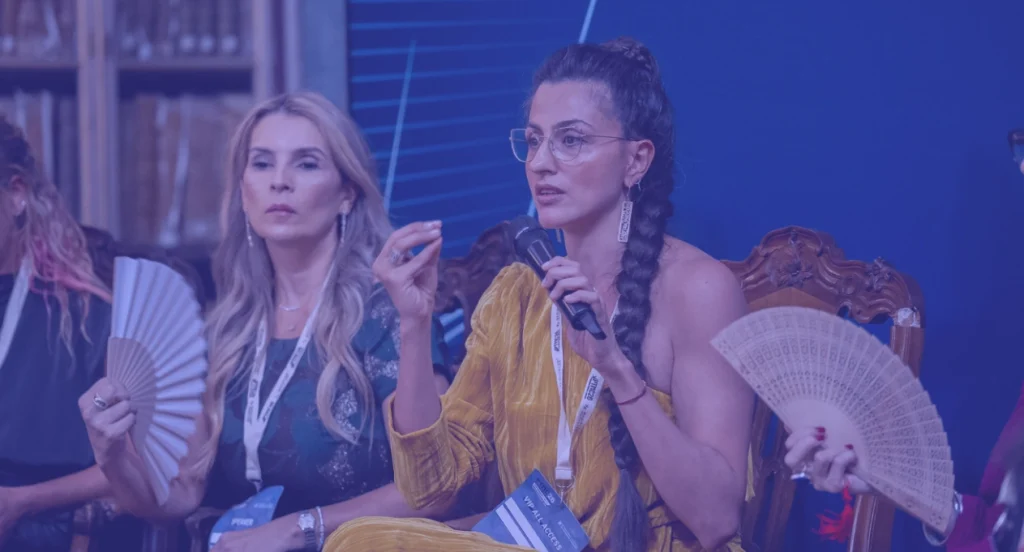
- Shabnam zitierte auch die offizielle Studie Deutschlands zur Erstattung von Cannabisbehandlungen, die Begleiterhebung durch das Bundesinstitut für Arzneimittel und Medizinprodukte (BfArM), in dem sich rund 54% der Patienten waren Frauen. Sie sagte, dass Frauen auch unter denjenigen waren, die am häufigsten die Behandlung einstellen würden, größtenteils aufgrund von Nebenwirkungen, Dosierung und Anwendungsformen, die nicht auf die weibliche Physiologie zugeschnitten sind. In derselben Umfrage wurde festgestellt, dass die Patienten, denen getrocknete Blüten verschrieben wurden, überwiegend Männer waren (67,4 Prozent), was als nützliche Erinnerung daran gilt, dass Der deutsche Markt für medizinischen Cannabis Bedient sehr unterschiedliche Patientengruppen über verschiedene Produktformate.
- Carola Pérez, Direktorin Wir, die Patienten und Gründer der spanischen Patientenvereinigung Dosemociones, teilte sechs Jahre an patientenbezogenen Daten aus einer Patientengruppe mit, die aus 70% Frauen besteht, die zwischen 35 und 95 Jahre alt sind: 70% Patienten kehrten zur Arbeit zurück nach Beginn der Behandlung, 80% Personen haben ihre gesamte Medikamentenaufnahme reduziert, Die Zahl der Besuche bei Notarztpraxen, in der Grundversorgung und bei Spezialisten ist gesunken. Sie sagte, sie habe in 14 Jahren als Bürgerrechtlerin rund 12.000 Stunden damit verbracht, Patienten zu hören.
- Sandra Carrillo, Präsidentin von ASOMEDCCAM, Sie schätzte, dass etwa 65% ihrer eigenen Patienten Frauen sind. Sie wies auf reale Daten aus dem Vereinigten Königreich hin, die belegen, dass Projekt Twenty21 von Drug Science Als Modell für die Daten sollte die Industrie nebenbei auch diese entwickeln. Randomisierte kontrollierte Studien (RCTs), und argumentierte, dass jeder Arzt das Verständnis für die Endocannabinoid-System, eine Anrufnummer, die auch gehört wurde Die mehrparteienpolitischen Abgeordneten Portugals bei der PTMC 2026.
5 wichtige Erkenntnisse
- Die Gesundheit der Frauen ist ein wirtschaftlicher Aspekt, und die Branche sollte dies auch so darstellen. Da McKinsey die globale Lücke in der Gesundheit von Frauen bis 2040 mit rund $1 Billion pro Jahr einschätzt und die Daten aus dem Vereinigten Königreich zeigen, dass Frauen mehr produktive Tage verlieren als Männer, stellte die Expertengruppe die Gesundheit von Frauen in finanzielle Dimensionen. Leah formulierte die wirtschaftliche Logik deutlich: Frauen gehen öfter in die Apotheke und zum Arzt, daher besteht für Unternehmen, die dies den Versicherern, den Aufsichtsbehörden und den großen Pharmakonzerne nachweisen können, ein hohes Investitionspotenzial.
- Die strukturellen Aspekte, die spezifisch für Frauen gelten, sind noch nicht ausreichend erforscht. Shabnams Vergleich von rund 1.300 indexierten Studien zu Perimenopause mit 17.000 zu erektiler Dysfunktion spiegelt ein Jahrhundert wider, in dem die Forschungsgelder und die Gestaltung klinischer Studien die männliche Physiologie als Standardansatz behandelten. Sandra fügte hinzu, dass starke klinische Evidenz für Cannabinoide bei Endometriose, Fibromyalgie und der Menopause weiterhin fehlt, was viele Ärzte davon abhält, verschreibende Medikamente zu verordnen.
- Die Dosierung bei Frauen muss den Hormungssyklus folgen. Denn das Endocannabinoid-System direkt mit Östrogen, eine feste Dosis kann einen Monat lang wirken und dann nicht mehr funktionieren, insbesondere während der Perimenopause. Shabnam plädierte für Produkte, die von Anfang an mit dieser Flexibilität entwickelt wurden, und für verschreibende Ärzte und Betreuer, die bereit sind, sich an die Bedürfnisse einer Frau anzupassen.
- Die Patienten sammeln bereits die empirischen Erkenntnisse aus der Praxis. Die Patientenvereinigung von Carola sammelt seit sechs Jahren strukturierte Ergebnisse zur Medikation, Rückkehr in den Arbeitsalltag und Lebensqualität, ohne auf institutionelle Forschungsmittel zu warten. Sandra argumentierte, dass Daten wie diese in der Evidenzbasis zusammen mit RCTs eine wichtige Rolle spielen und von Regulatoren und Verschreibern berücksichtigt werden sollten.
- Arbeitgeber sind der nächste Hebel zur Verringerung des Lohngefälles. Heidi rief die Cannabisunternehmen dazu auf, bereits jetzt Maßnahmen innerhalb ihrer eigenen Arbeitsstätten zu ergreifen: vertrauliche Programme zur Gesundheit und Wellness für Frauen, Leistungen, die an Bedingungen wie die Menopause und chronische Schmerzen angepasst sind, sowie angeleitete Routen zu medizinischem Cannabis – während die Gesundheitssysteme und die Regulierungsbehörden nachholen.
Was das für Cannabis-Arbeitgeber bedeutet
Aus unserer Sicht war dies einer der aufregendsten Panels der Veranstaltung. Langfristig haben wir bereits erkannt, dass Frauen sowohl als medizinische Patienten als auch auf den Märkten für den kommerziellen Konsum von Cannabis eine wachsende Kundschaft darstellen, und die Daten aus der Praxis bestätigen dies: Frauen machen rund 54 Prozent der Patienten in Deutschland aus, die mit bezahlten Cannabismedikamenten behandelt werden, und Sandra schätzte, dass 65% ihrer eigenen Patienten Frauen sind. In jüngerer Zeit sehen wir, dass immer mehr Frauen selbst Unternehmen gründen und diese leiten. Eine Bühne ausschließlich von Frauen für Gründerinnen, Klinikerinnen, Patientenvertreterinnen und pharmazeutische CEOs war ein klares Zeichen für diesen Wandel, und sie spiegelte auch wider, was unser Team während des Frauen-Konferenzausflugs in der Industrie in Berlin gesehen hatte. Barcelona Cannabis Week.
Als Personalvermittler fiel uns Heidi’s Schlussfolgerung am schwersten auf. Wenn Präsenzpflicht etwa 14 Tage pro erfassten Krankentag kostet, tragen die Cannabisunternehmen diese Kosten bereits in ihren eigenen Teams. Eine Branche, die von den Gesundheitssystemen verlangt, die Gesundheit der Frauen ernst zu nehmen, hat die Chance, dies als erstes zu zeigen: Vertrauliche Wellnessprogramme, Diese Vorteile gelten für Menopause und chronische Schmerzen, und es gibt Führungskräfte, die diese Gespräche erleichtern. In einem Markt, in dem sich Unternehmen hart um erfahrene Mitarbeiter bemühen, ist dies auch eine Strategie zur Bindung der Mitarbeiter.
Carola setzt sich seit über einem Jahrzehnt für die Interessen der Patienten ein, auch als sie uns 2009 zur Seite gestellt hat. Das Gespräch über Cannabis Über die Gründung der spanischen medizinischen Cannabisbewegung zu sprechen. Leahs Erinnerung daran, dass man ohne pharmazeutische Disziplin keine Erwartung an pharmazeutische Margen haben kann, war auch im Rest von PTMC 2026 präsent, von der EU-GMP-Panel an den Kapitaleffizienz-Panel. Die Unternehmen, die diese Disziplin fördern und dabei Frauen einbinden, die bei der Gestaltung der Produkte und bei der Führung der Unternehmen beteiligt sind, sind am besten dazu in der Lage, die Gelegenheit zu nutzen, die dieser Gruppe des Panels vorgestellt wurde.
Bemerkenswerte Zitate aus dem Panel
"Es gibt ein Viertel Billionen Dollar – das ist die Größenordnung dessen, was passieren könnte, wenn wir als Industrie beginnen, alles zu nutzen, was die Medizin bisher hervorgebracht hat, und es richtig für alle nutzen würden."
Heidi Whitman, Vorsitzende und Mitbegründerin, EmpowHer Cannabis Society (Moderatorin)
"Patienten brauchen uns, insbesondere weibliche Patienten. Wir dürfen in keiner Entscheidung oder Produktentwicklung der Branche eine Nebenrolle spielen. Wir wollen Medizin, die den Bedürfnissen einer Bevölkerung dient. Sie muss mit ihnen entwickelt werden und nicht nur für sie."
Heidi Whitman, Vorsitzende und Mitbegründerin, EmpowHer Cannabis Society (Moderatorin)
"Durch die Anwendung der Cannabinoid-Therapien kann ich sehen, wie viele Patienten die Lebensqualität verbessern. Dieses Wort, "Lebensqualität“, wird unterschätzt, denn die Leute sprechen von Migräne, Kopfschmerzen, Endometriose oder Fibromyalgie, aber wenn man alle Aufgaben, die wir haben, addiert, verbessert die Cannabinoid-Medikation nicht nur die Symptome, sondern auch die Lebensqualität dieser Patienten.“
Sandra Carrillo, Präsidentin, ASOMEDCCAM
"Mit medizinischem Cannabis können wir viele verschiedene Symptome mit nur einem Medikament bekämpfen, sodass wir dem Patienten weniger Nebenwirkungen bescheren und die Kosten für das Gesundheitssystem geringer ausfallen, da wir die Mehrfachmedikation reduzieren. Für die Regierung ist das günstiger, und für die Patienten ist es besser."
Sandra Carrillo, Präsidentin, ASOMEDCCAM

"Bei der Perimenopause haben wir, wenn man die klinischen Studien betrachtet, 1.300 Indexstudien. Und wenn man die erektile Dysfunktion betrachtet, die nur bei 40 Prozent der Männer auftritt, haben wir 17.000 Studien. Und jede Frau geht durch die Perimenopause."
Shabnam Sarshar, Gründerin von The Recalibration
"Wir sprechen nicht von 'Frauenwäsche'. Wir sprechen nicht von: "Okay, hier ist die Liste meiner Produkte, was kann ich damit machen?‘ Nein. Wir gestalten wirklich Produkte mit Liebe für die Frau – das ist genau das, was wir vermissen.“
Shabnam Sarshar, Gründerin von The Recalibration
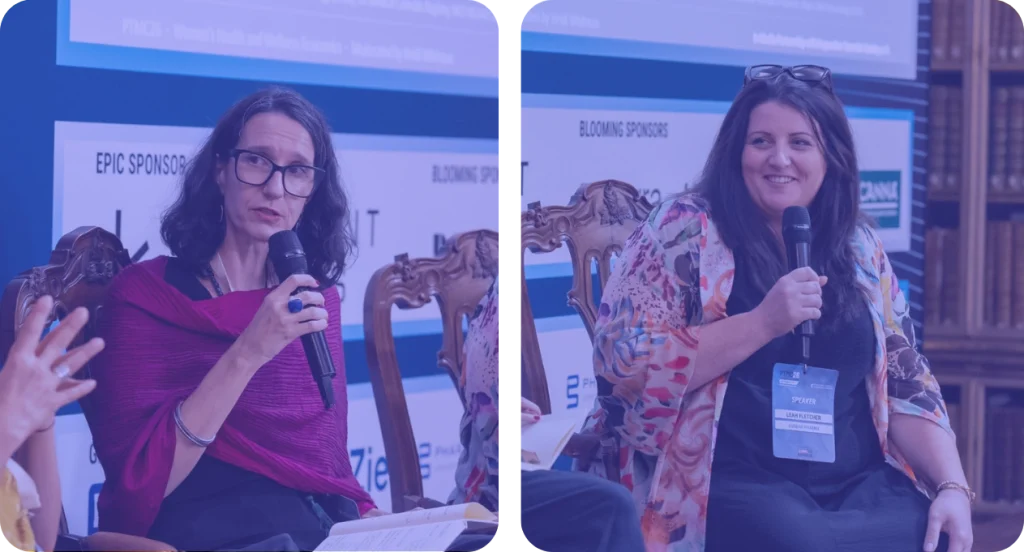
"Ich denke, sie müssen uns zuhören. Ich denke, sie müssen uns zuhören, zu unserer Erfahrung, denn einige der Dinge, die wir als Patienten sagen, bestätigen die Wissenschaft später, wenn die Studien durchgeführt werden."
Carola Pérez, Direktorin, Wir, die Patienten
"Wenn es für uns nicht einfach ist, werden wir einen Weg finden, es für uns einfacher zu machen. Immer mehr Patienten organisieren sich im Dunkeln wieder zusammen, nicht im Licht, um einander zu helfen, weil sie sich die Medikamente nicht leisten können."
Carola Pérez, Direktorin, Wir, die Patienten
"Es macht keinen Sinn, in der Branche zu erwarten, dass man pharmazeutische Margen erzielt, ohne eine pharmazeutische Disziplin zu haben. Schließlich ist genau diese Disziplin der Schlüssel zum vollen Zugang zu einem Markt."
Leah Fletcher, Mitbegründerin und CEO von Dunbar Pharma
"Was sie oft vergessen, ist, dass Frauen Verbraucher sind. Wir sind diejenigen, die in Apotheken einkaufen. Wir werden häufiger zum Arzt gehen. Sie werden eine Rendite für ihre Investition erzielen. Das Risiko kann in Bezug auf die Erreichung eines beweglichen Ziels – der Gesundheit von Frauen – höher sein, aber die Rendite ist vorhanden."
Leah Fletcher, Mitbegründerin und CEO von Dunbar Pharma
Referenzen
- NHS Confederation, “Women’s Health Economics: Investing in the 51 Per Cent” (2024)
- McKinsey Health Institute: “Die Lücke in der Gesundheit von Frauen schließen: Eine Chance von $1 Billion, das Leben und die Wirtschaft zu verbessern”
- McKinsey & Company, “Unlocking Opportunities in Women’s Healthcare” (2022)
- Office for National Statistics: “Arbeitsunfähigkeit im britischen Arbeitsmarkt: 2025”
- BfArM, “Cannabis als Medizin: BfArM veröffentlicht Abschlussbericht zur Begleiterhebung” (2022)
- Lumino: “Der deutsche Medizinisches Cannabis-Markt – und was 2025 in Gefahr sein könnte”
- Drug Science, “Projekt Twenty21 (T21)”
- Lumino, “Das Endocannabinoid-System verstehen mit Chris Tasker, CEO von GCS”
- Lumino: “Verliert Portugal bei Cannabis hinterher? Interparteiliche Abgeordneten beantworten Fragen auf dem PTMC 2026”
- Lumino, “Barcelona Cannabis Week Recap: CDays, ICBC & Spannabis 2025”
- Lumino, The Cannabis Conversation, “Episode 179: Cannabis in Spanien mit Carola Pérez”
- Lumino: “Stoppt die Bezeichnung ”GMP-Waschen! Eine Diskussion von PTMC 2026““
- Lumino, “Sind Cannabis-Investoren damit fertig, auszuplaudern? Einblicke aus dem Panel-Workshop PTMC 2026”

 English (UK)
 Deutsch