
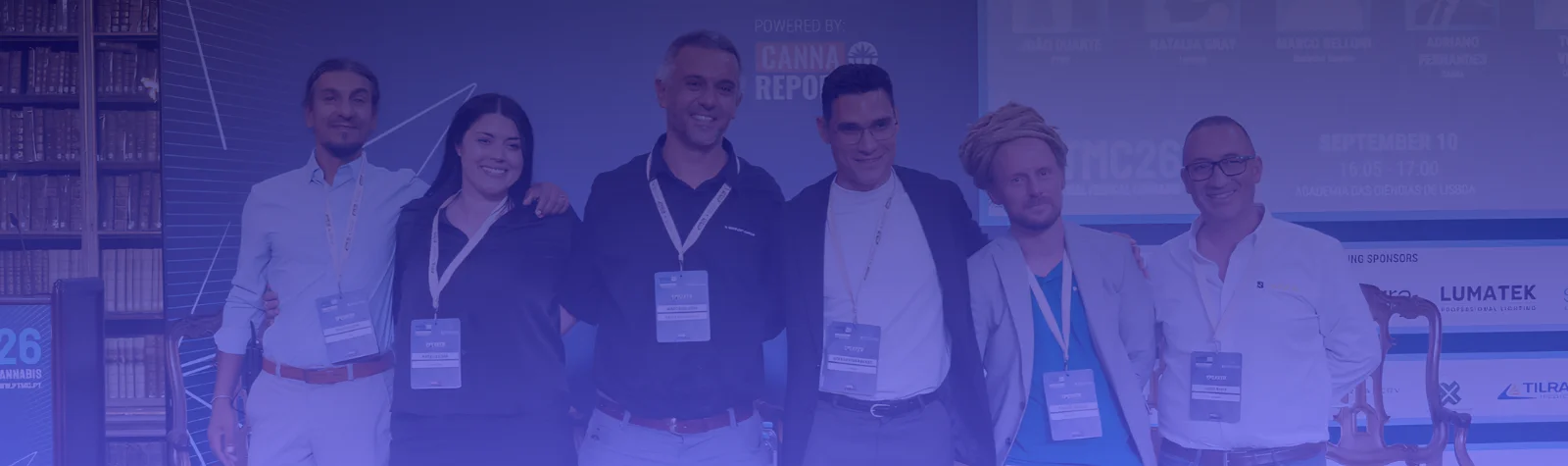
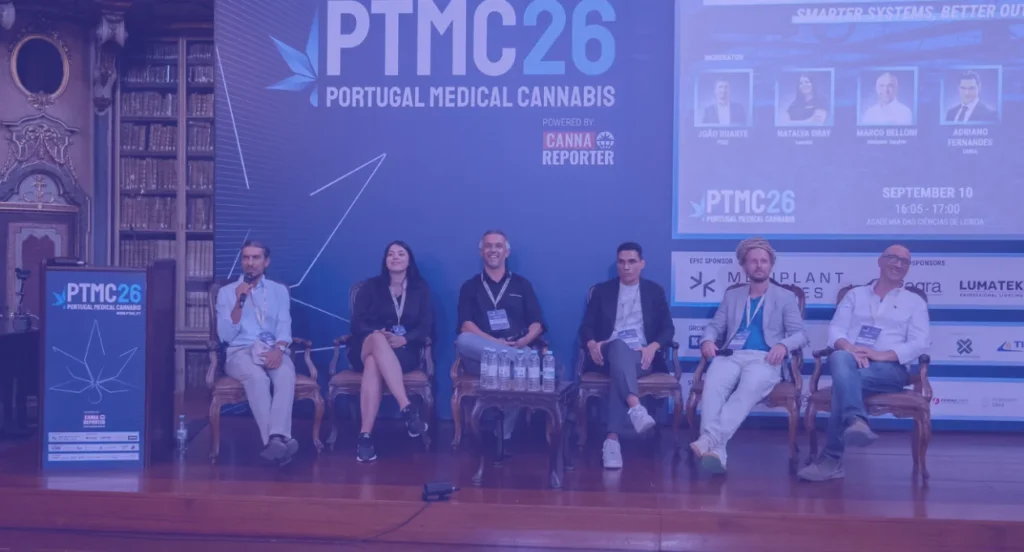
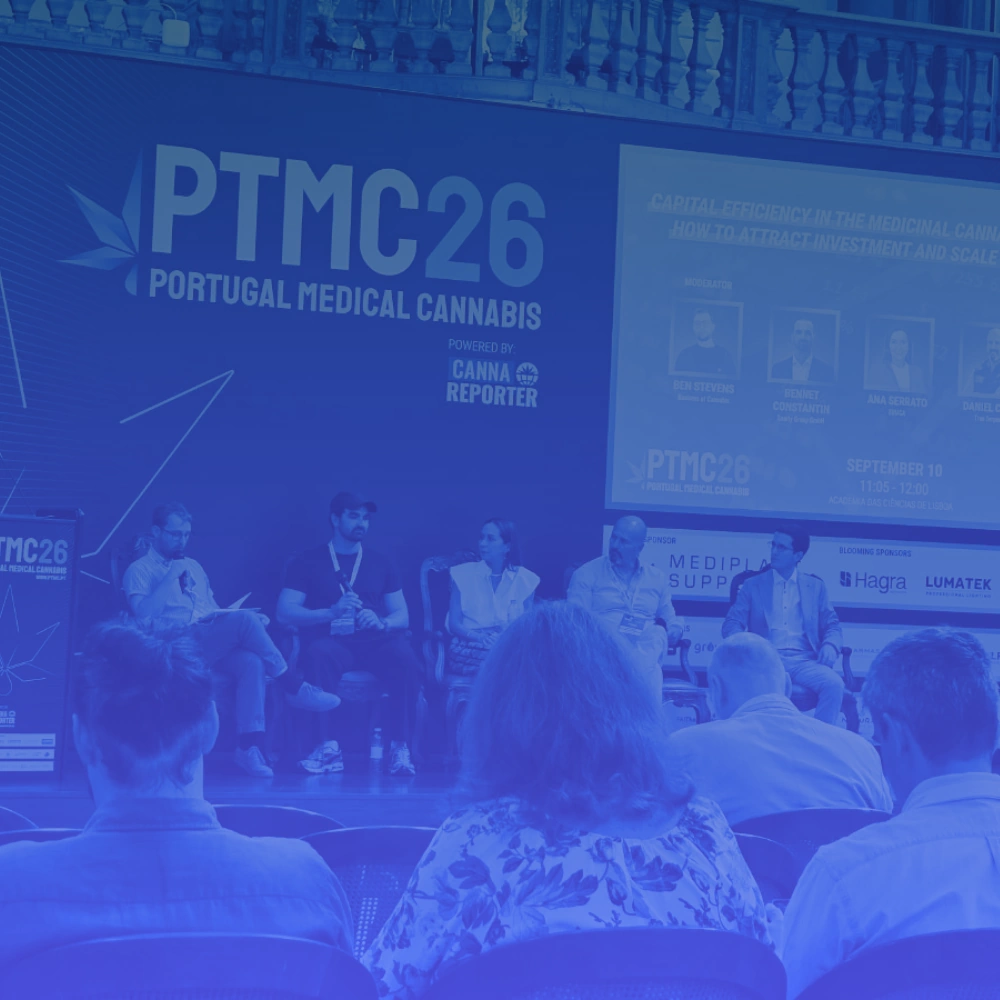
Insights extracted from a focus group discussion at PTMC – Portugal Medical Cannabis on September 10, 2026. Panellists: Natalya Gray (Lumatek), Marco Belloni (Mediplant Supplies), Adriano Fernandes (CANNA), Hugo Pires (HAGRA) and Tom de Vreugd (Growficient). Moderated by João Duarte (PTMC).
Where the Value Is Created
In a focus group titled “Overcoming the Challenges of Cultivation: Smarter Systems, Better Outputs” at PTMC (Portugal Medical Cannabis) 2026, moderator João Duarte opened with a claim that framed everything that followed: cultivation is where the value in this industry is created. Every downstream step, from extraction to the pharmacy shelf, can only preserve or lose what the grow room produced in the first place.
On stage were five people who see inside more cultivation facilities than most in the industry. Natalya Gray of horticultural lighting manufacturer Lumatek, Marco Belloni of cultivation equipment distributor Mediplant Supplies, Adriano Fernandes of Dutch nutrient and substrate specialist CANNA, Hugo Pires of irrigation and hydroponics engineering firm HAGRA, and Tom de Vreugd of Dutch root-zone sensor company Growficient. Between them they cover lighting, nutrition, water, data and the supply chain that ties it all together.
The timing gave the conversation real edge. Producers across Europe are dealing with falling flower prices driven by import volumes outpacing demand, a pattern earlier PTMC 2026 panels described as rising volume paired with falling price per gram. At the same time, EU-GMP expects every lighting rig, HVAC unit and irrigation line to carry a documented specification and validation trail. Margins are shrinking while the compliance bar keeps rising. What the group kept returning to was that most of the pain growers feel in the grow room was actually caused somewhere else, usually much earlier, in planning decisions made under pressure to produce fast.
The Numbers Behind the Focus Group
The figures shared around the table came from long careers on the supplier side, and they paint a clear picture of what rushing costs:
- Hugo described automating 40 hectares of precision-agriculture red fruit greenhouses in the Algarve from around 2010. It took 15 years before those greenhouses ran properly enough to reduce staffing and fully trust the system. He has since completed more than 500 irrigation projects, and said that today HAGRA earns more from retrofitting existing cannabis facilities than from building new ones.
- HAGRA’s cannabis projects take a minimum of two years of preparation before the first day of installation work, time Hugo says is spent making sure every supplier’s system will actually work together.
- Natalya flagged that consolidation and bankruptcies in the equipment sector are now making growers hesitant to invest at all, because they cannot be sure warranties and technical support will still be honoured a few years down the line.
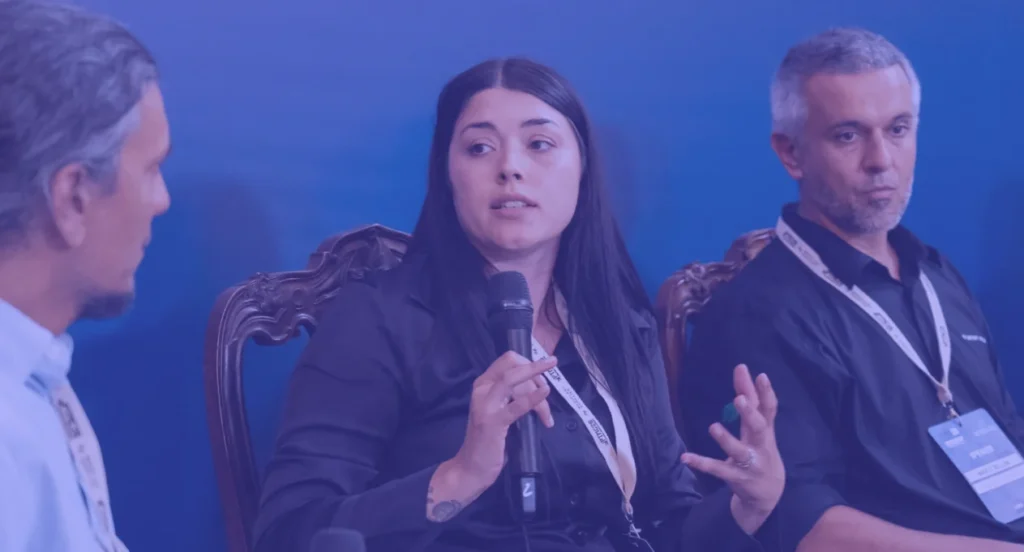
- On under-canopy lighting, Natalya was candid that it always raises electricity costs, a serious consideration in high-energy-cost markets like Germany, but that for the right facility it produces a more homogenous plant with more A-grade flower and less B-grade and popcorn, raising the value of the whole crop from the same footprint.
- Marco, with 11 years in the industry, said overproduction is already a reality in parts of Europe, repeating the pattern seen in Canada when producers scaled too fast. Distributor estimates on stage put typical under-canopy additions at around 140 watts per square metre, with some suppliers promising yield gains of 25 to 30%.
- Tom put a number on sensor-driven efficiency: cutting one hour of daily manual monitoring, such as lifting pots to judge irrigation, by half saves 30 minutes per worker per day, an ROI that can be calculated directly against salary. Growficient’s sensors track substrate water content, EC and root-zone temperature in real time, replacing what he called a manual “snapshot” taken only while staff are on shift.
5 Key Takeaways
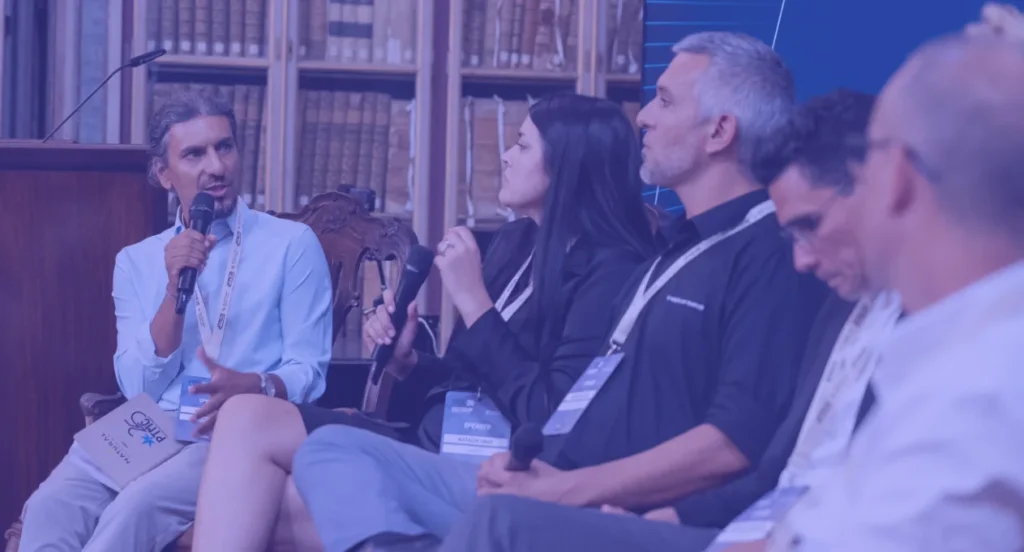
- Most cultivation problems start in the boardroom, not the grow room. Adriano argued that for many small and medium producers, the struggles showing up in cultivation are the consequence of planning decisions made at the very beginning, often without a long-term vision. Fixing those decisions later is expensive, and many producers no longer have the capital to do it.
- Automation assists growers, it does not replace them. Tom warned that newer licensed producers often treat automation as a holy grail for cost efficiency and try to automate everything at once. Hugo, who spent 15 years getting a fully automated greenhouse operation to run properly, put it simply: automation is there to give you better information and help you act faster, but you still need to be there tending your plants.
- New technology only pays off if the maths works for your facility. Natalya refused to quote headline yield gains for under-canopy lighting, pointing out that higher electricity bills and tight cash flow can make it the wrong investment for some growers. Spending next month’s payroll on new equipment, she said, is not a solution.
- Cutting costs blindly under price compression usually costs more. When prices fall, the instinct is to strip out inputs without understanding the economics. Adriano’s warning was that removing quality or labour-saving inputs can lead to failed batches, which are far more expensive than the savings. His approach is to take the numbers straight to the CEO and CFO, not just the head of cultivation.
- Integration beats buying the best of everything. Hugo described facilities that bought the best lights, the best sensors and the best irrigation, with nobody making sure any of it worked together. Tom made the same point about data, arguing every facility needs one central hub instead of a wall of separate dashboards. The fix the group agreed on: get your suppliers talking to each other from day one.
Notable Quotes from the Focus Group
"Cultivation is where the value is created in this whole industry. When we analyse the value chain, all the value is created at this point."
João Duarte, PTMC (moderator)
"If anybody tells you that under-canopy is the solution for every single facility right now, then they're probably trying to sell you something. We sell under-canopy. I'm definitely a proponent of it, but I'd like to start with some of the more difficult elements of it."
Natalya Gray, CEO, Lumatek
"One of the big issues that we see is equipment providers selling equipment to facilities that simply doesn't do what it says, and then you're left with facilities that no longer have the investment money to re-buy. So honestly, it's a very simple answer: we don't lie about what our product can do."
Natalya Gray, CEO, Lumatek
"One of the biggest challenges is to contain your feelings, your enthusiasm, when it's time to overextend your production. We've seen it abroad, in Canada, with many people trying to extend their production too fast, and overproduction is already a reality."
Marco Belloni, International Sales Manager, Mediplant Supplies
"As a European player, we're still looking a little bit too much at what's going on overseas and not really valuing what we have on our continent. The moment somebody is doing something, everybody follows, and that is sometimes beyond appropriate valuation of cost and efficiency."
Marco Belloni, International Sales Manager, Mediplant Supplies
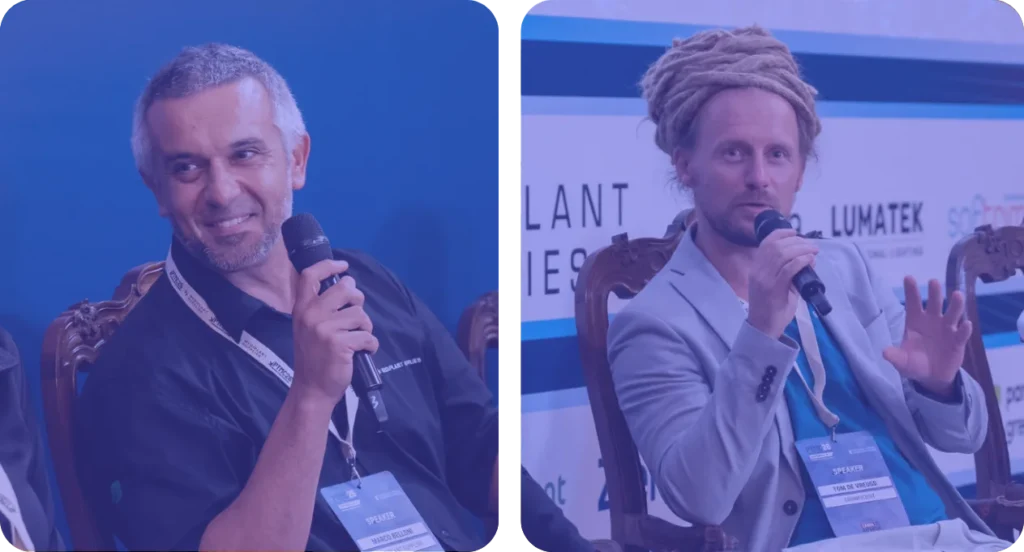
"I don't like the term master grower, to be honest with you. A cultivation manager is a more appropriate term, because you're managing the operation, instead of trying to touch every plant every single day."
Tom de Vreugd, Grower Success Manager, Growficient
"If you don't have insight into the root zone, you're basically flying blind. You're trusting manual lifting of pots and subjective measurements, which only take place when the lights are on and people are working. It's a snapshot."
Tom de Vreugd, Grower Success Manager, Growficient
"For the majority of small and medium-sized producers, the challenges with cultivation are the consequence of something else that has nothing to do with cultivation. Maybe in the beginning, the planning was wrong, the decisions were wrong, and that is expensive to fix."
Adriano Fernandes, Head of Growth and Business Development, CANNA
"We don't sell products really. The product is just a gateway to what we have of the most value to offer. That is the knowledge, that is the research, that is doing this for many years in a very successful way."
Adriano Fernandes, Head of Growth and Business Development, CANNA
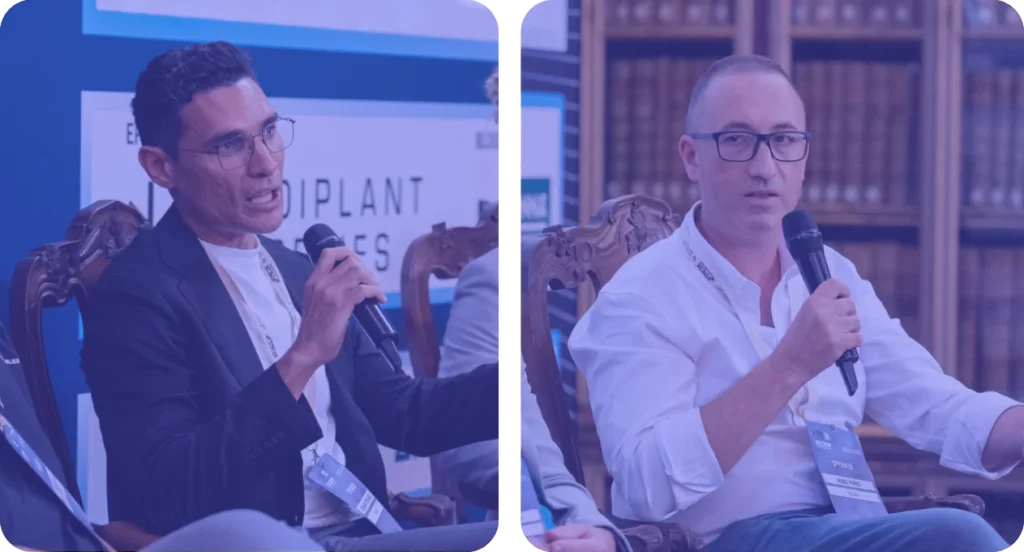
"The most important lesson we learned is that automation is not there to do your job for you. It's there to assist you, to give you better information, to allow you to act fast. But you still need to be there and grow and tend your plants."
Hugo Pires, CEO, HAGRA
"If they told me five years ago that I would make more money out of retrofitting than out of building new facilities, I wouldn't have believed it. But it is true, because it's a new industry, and people are still learning."
Hugo Pires, CEO, HAGRA
References
- Lumino, “Germany’s Medical Cannabis Market – And What Could Be at Risk in 2025”
- Lumino, “Are Cannabis Investors Done Chasing Exits? Panel Insights from PTMC 2026”
- Lumino, “Cannabis Cultivation Lifecycle: From Seed to Harvest and Beyond”
- Growficient, “How Irrigation Data Helps Portuguese Cannabis Growers Achieve Consistency and Quality”



 English (UK)
 Deutsch